
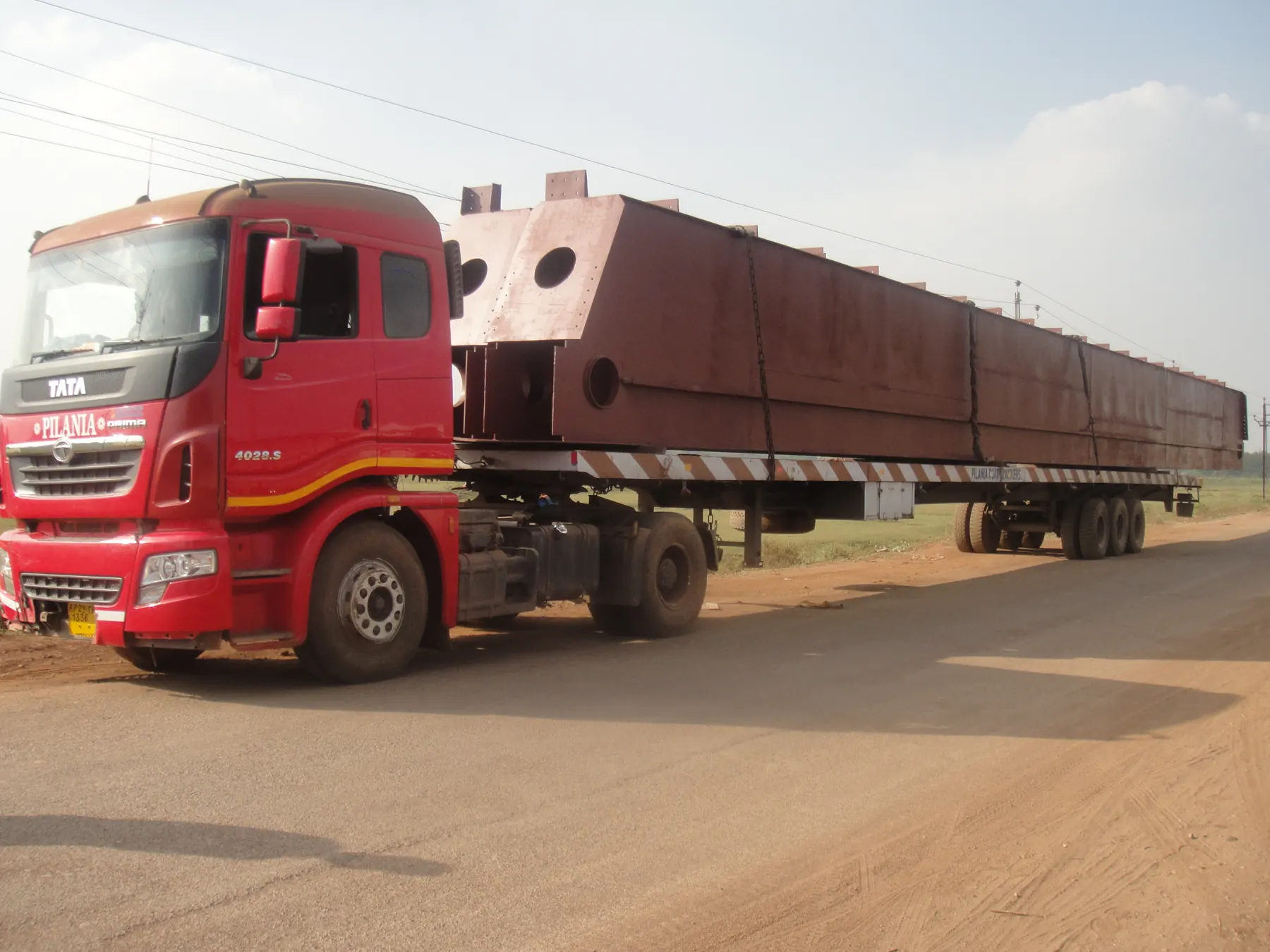
A receiving inspection gives the site team a clear record of what arrived, its visible condition and any open issues. The same approach works for a bridge girder package or plant replacement steelwork. Agree the handover procedure, receiving contact and document list before the first truck reaches site.
Prepare for the load
Confirm the delivery slot, access route, unloading plan and the people responsible for receiving and lifting. Compare the expected load with the dispatch advice and assembly sequence. Provide a suitable laydown area with supports and separation that protect members, coatings and identification marks. The site lifting plan and handling instructions govern how the load is unloaded.
Keep the latest relevant drawings, packing list and a receiving form available. Identify any items that need protected storage, such as sealed fastener packs, coated contact surfaces or small loose fittings. Agree who can sign for receipt and who must evaluate damage or shortages.
Match the paperwork to the steel
Check the vehicle and dispatch documents against the expected shipment. Record the date, delivery reference and number of packages. For each accessible item, compare its member mark and quantity with the packing list and drawing. Match marks can show which pieces belong together, so check their legibility and preserve them when moving or storing the steel.
Count loose connection plates, fasteners and accessories using the package labels and agreed inventory. Note sealed containers that cannot be checked immediately and arrange a later count. A signature for receipt should reflect the extent of the inspection actually completed. Physical receipt and technical acceptance may be separate steps under the contract.
Inspect visible condition
Before and during unloading, look for bent members, damaged edges, distorted connection plates, damaged bolt holes and coating damage. Check accessible lifting attachments and protective packing for visible problems. Photograph any concern with the member mark, location and a scale or reference where practical. Flag the affected piece and hold it from erection until the responsible party has assessed it.
Record any surfaces and welds that are inaccessible on arrival and arrange the follow-up checks required by the project. Compare the available quality and release documents with the contract handover list, including material records, dimensional reports, weld inspection reports and coating records where specified.
Record shortages and obtain a disposition
For a shortage, record the expected and received quantities, the relevant member or package mark and the delivery reference. Check whether the item is scheduled on another load before treating it as missing. Notify the agreed project contacts and keep the issue open until the item is located or a replacement is accepted.
For damage or a discrepancy, raise the agreed nonconformance or delivery discrepancy record. Identify the affected piece, describe the observation and attach photographs. The authorized engineer or other designated party decides the disposition, which may require further inspection, an approved repair, replacement or acceptance under the project process. Record the decision, completed work and any re-inspection before release. Release structural repairs only through the project’s approved repair process.
Receiving checklist
- Documents. Delivery reference, packing list, drawing revision and required release records are available.
- Identity. Member marks, match marks and package labels are legible and match the shipment.
- Quantity. Members and loose items are counted, with sealed or inaccessible items noted for later verification.
- Condition. Visible damage and coating defects are photographed and recorded against the affected piece.
- Disposition. Shortages and discrepancies have an owner, a documented decision and a release status.
- Storage. Members are supported, identified and protected in the agreed laydown area.
For planning before a load leaves the shop, see the long girder transport and dispatch guide. Contact the engineering team to discuss drawings, packing and delivery requirements for a package.
- steelwork delivery
- receiving inspection
- packing list
- site inspection
About Kothari Chemicals (Engineering Division)
The Kothari Chemicals (Engineering Division) at Kothari Chemicals (Engineering Division) writes from day-to-day work in steel fabrication, quality assurance and project execution at the Bhilai works.